
Services
Dental Fillings
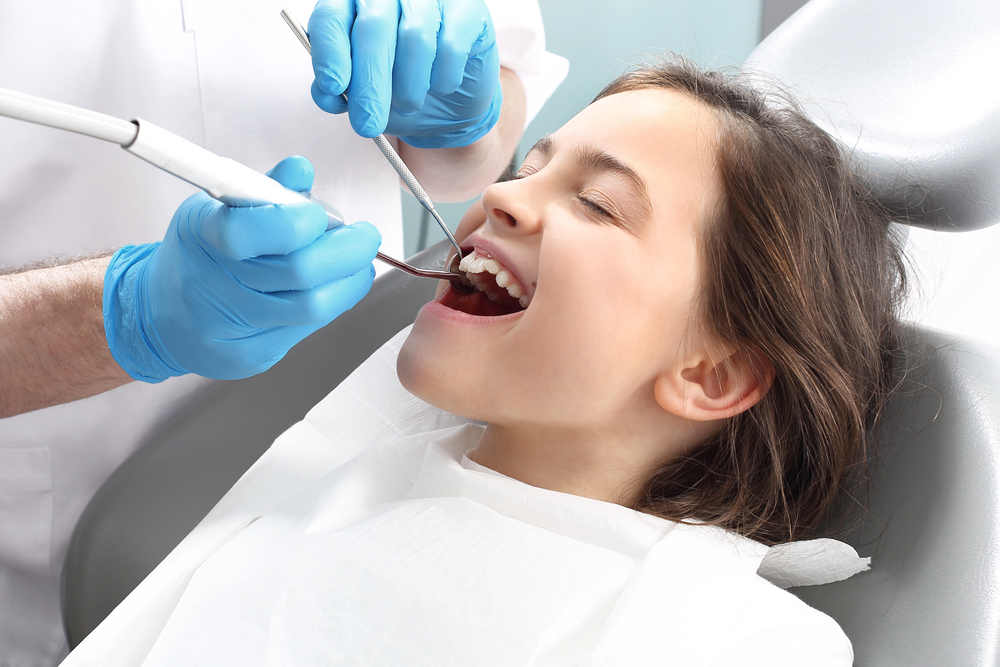
We gently treat cavities with tooth-colored fillings, keeping your child comfortable and their smile healthy.

Why choose us
Benefits of Dental Fillings
Kid-Friendly Cavity Care
We treat only children, so every filling appointment is paced and explained in ways kids understand.
Early Cavity Detection
Our exams help us catch decay while it's small and easier to repair.
Tooth-Colored Results
We use composite materials that blend in with your child's natural smile.
Comfort Options Available
Nitrous oxide, oral sedation, and local anesthesia help anxious kids relax during treatment.
Parents Stay Close
You're welcome in the treatment room so your child feels supported the whole time.
A small cavity rarely announces itself. Most of the time a child feels nothing at all, and the first sign is a shadow we spot on an exam or an x-ray during a routine visit. That is exactly why we treat fillings as ordinary, everyday care rather than something to dread. When decay is caught early and repaired promptly, the tooth stays strong, the appointment stays short, and your child keeps a comfortable, uncomplicated relationship with the dentist — something that pays off for years in our Easley and Greenville offices.
A dental filling repairs a tooth after decay has broken through the outer enamel. Cavities form when bacteria feed on sugars and produce acid that dissolves tooth structure, creating a soft spot that will keep growing if it is left alone. During a filling, we gently remove the decayed portion of the tooth, clean the area thoroughly, and rebuild the missing structure so the tooth can chew, hold its space, and stay protected.
We use composite (tooth-colored) material for fillings, which bonds directly to the tooth and blends naturally with the surrounding enamel. Because we work exclusively with children, adolescents, and teens, we're used to the full range of situations this treatment covers: a first small cavity on a baby molar, a chipped front tooth from a playground fall, decay between teeth found on x-rays, or a teenager's back molar that developed a soft spot under a deep groove. Baby teeth matter here too — they guide permanent teeth into position and help a child eat and speak comfortably, so repairing them is not optional filler work.
Not every cavity is best treated with a filling. If decay has reached deep into the tooth, a crown or root canal therapy may be the more durable choice, and in some cases a simple extraction is the right call. We'll walk you through what we see and why we're recommending what we are, in plain language, before anything begins.
Parents usually have the same handful of questions, and they're good ones. Will it hurt? We use local and topical anesthesia to numb the area completely, and for children who feel anxious, we also offer nitrous oxide (laughing gas) and oral sedation through our dental anesthesiology services. Anxiety is a real clinical factor in children's dentistry, not a personality quirk, and we treat it that way.
Can I stay with my child? Yes. Parents are welcome in the treatment room, and many families find that a familiar hand nearby makes the whole visit easier. We also care for children with special healthcare needs and are glad to talk through sensory concerns, communication preferences, or scheduling adjustments ahead of time so the appointment goes smoothly.
How long does it take? Most single fillings are completed in one visit. If your child has more than one cavity, we may group nearby teeth into the same appointment to reduce the number of trips. And if a tooth is hurting right now, we offer emergency dental appointments rather than asking you to wait.
Aftercare and What Results Look Like
Numbness from local anesthetic typically lingers for a while after the visit, and this is the part worth watching. Children sometimes bite or chew a numb lip or cheek without realizing it, so we ask parents to stick with soft foods and keep an eye out until normal feeling returns. Mild sensitivity to cold or pressure in the days following a filling is common and usually settles on its own.
After that, the tooth simply goes back to work. A composite filling is shaped and polished to match your child's bite, so chewing should feel natural. Keeping it that way comes down to the basics we emphasize at every visit — brushing twice daily, flossing where teeth touch, limiting frequent sugary drinks and snacks, and coming in for regular exams and cleanings. For teeth that haven't been affected yet, dental sealants and fluoride treatment add real protection to the deep grooves where decay most often starts.
- Watch for accidental lip or cheek biting while numbness wears off
- Offer soft foods for the rest of the day
- Expect brief temperature or pressure sensitivity
- Resume normal brushing and flossing right away
- Call us if the bite feels high or discomfort lingers
Insurance, Payment, and Getting Started
We accept all major PPO insurance plans, Medicaid, and self-pay patients, and we file insurance claims as a specialist practice. HSA and FSA funds are accepted, and flexible financing plans are available when a treatment plan involves more than one visit. New families can begin with our $99 New Patient Special.
If you've noticed a dark spot, a sensitive tooth, or it's simply been a while since the last checkup, we'd love to see your child at our Easley or Greenville office. Families throughout Greenville, Easley, and Anderson are welcome — call us to schedule a visit.
The process
What to expect
- 1
Exam And Diagnosis
We check your child's teeth, pinpoint any decay, and talk through what we find with you.
- 2
Gentle Filling Visit
We numb the area, remove the decay, and restore the tooth with a tooth-colored filling.
- 3
Aftercare And Prevention
We share simple home care tips and plan cleanings, sealants, or fluoride to help prevent future cavities.