
Services
Composite Bonding
We repair chips and gaps with tooth-colored bonding that blends naturally with your child's smile.
Why choose us
Benefits of Composite Bonding
Natural Tooth Color
We match the composite material to your child's own tooth shade so repairs blend right in.
Gentle For Kids
Our team works exclusively with children and keeps every visit calm, friendly, and age-appropriate.
Comfort Options Available
Nitrous oxide, oral sedation, and local anesthesia are available for children who feel anxious.
Parents Stay Close
You're welcome in the treatment room so your child has a familiar face nearby.
Affordable And Covered
We accept all major PPO plans, Medicaid, self-pay, HSA/FSA, and offer flexible financing.
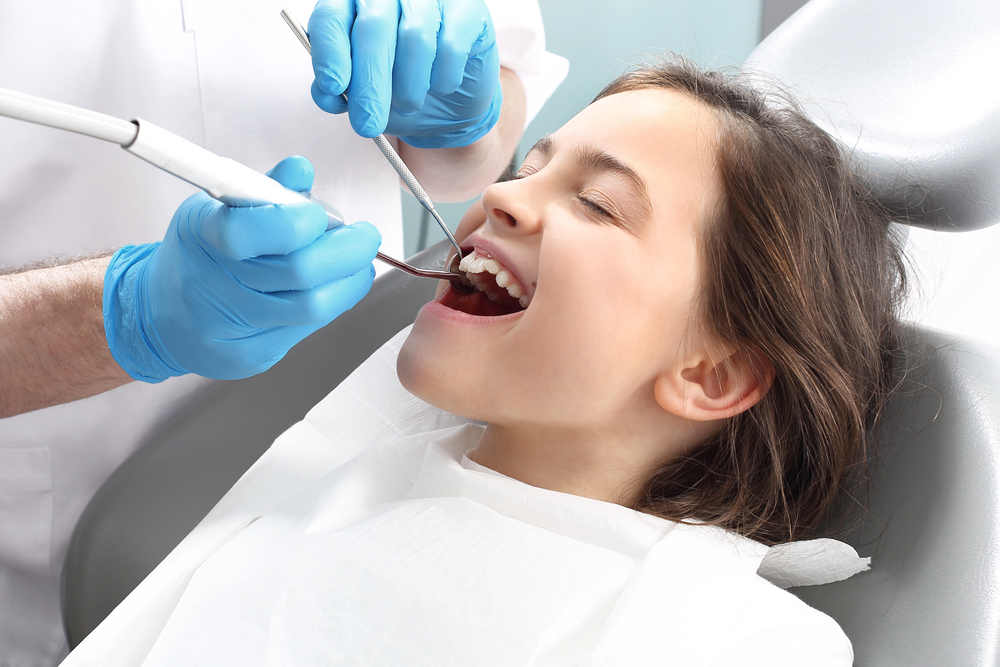
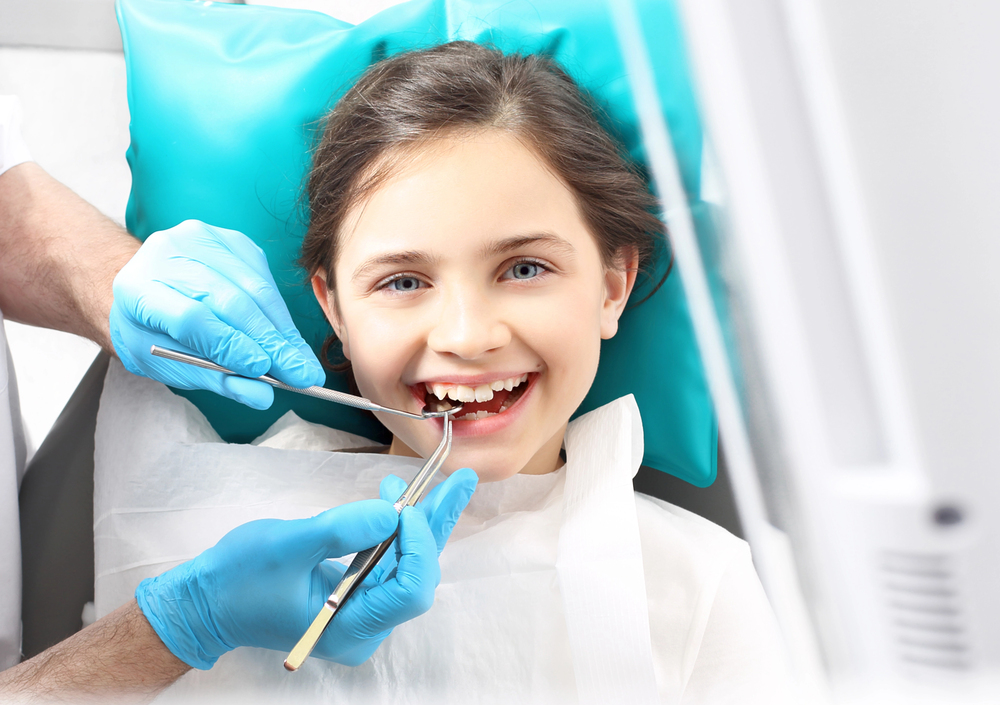
A chipped front tooth from a playground fall, a small gap that bothers a self-conscious teen, a spot of decay on a visible surface — these are the everyday moments that bring families to us for composite bonding. Bonding uses a tooth-colored resin that we shape directly onto the tooth, sculpt by hand, and harden with a curing light, all in a single visit. Because the material is matched to the shade of your child's natural enamel, the repair blends in rather than standing out, which matters a great deal to a kid who has to smile for school pictures next week.
Composite bonding is a conservative way to restore the look and function of a tooth without removing much healthy structure. The resin bonds directly to enamel, so in many cases we only need to clean and lightly prepare the surface before shaping the material into place. That makes it a good fit for children and teens, whose teeth are still developing and whose mouths change quickly from one year to the next.
We see bonding used most often for chipped or fractured front teeth, small cavities on visible surfaces, worn or uneven edges, minor gaps between teeth, and discolored areas that don't respond to routine cleaning. Children who chip a tooth in sports or a fall are frequent candidates, and we also offer emergency appointments when an injury can't wait. Because our office is exclusively pediatric, every step is scaled to a child's size, attention span, and comfort level — from how we explain the curing light to how long we ask them to hold still.
Most children are good candidates for bonding, but the tooth itself has to be healthy enough to support it. During a dental exam, we check for decay, look at how the teeth come together when biting, and use cavity detection to confirm nothing is hiding beneath the surface. If a tooth is badly broken down or the damage extends deep into the structure, a crown or another restorative approach may hold up better, and we'll tell you plainly if that's the case rather than placing bonding that won't last.
Bite habits matter, too. A child who grinds, chews ice, or bites fingernails puts extra stress on bonded edges, and we'll talk through those habits at the visit. For athletes, a sports mouth guard is one of the simplest ways to protect both natural teeth and any bonding we've placed. Parents often ask about comfort — bonding is usually straightforward, and when a child is anxious or needs extra help sitting through treatment, we can discuss nitrous oxide, oral sedation, or local and topical anesthesia. Parents are welcome in the treatment room, and we regularly care for children with special healthcare needs.
Aftercare and How Long Results Last
Bonded teeth don't require anything exotic, just consistency. Brushing twice a day, flossing, and keeping up with regular cleanings and exams protect the bonded area and the tooth underneath it. Composite resin can pick up stains over time from deeply colored foods and drinks, so limiting those — and rinsing with water afterward — helps keep the color even with the surrounding enamel.
A few practical habits make the biggest difference for kids:
- Avoid biting hard objects like ice, pen caps, and popcorn kernels with bonded front teeth
- Wear a mouth guard for contact sports and active play
- Keep up with routine visits so we can check the edges and polish as needed
- Call us promptly if a bonded edge feels rough, sharp, or catches on the tongue
We reassess bonding at every checkup. Because it's a repairable material, small chips or wear can often be smoothed or added to without redoing the whole restoration. We also keep prevention front and center — fluoride treatment and dental sealants help reduce the chance of new decay so bonding stays a cosmetic fix rather than an ongoing repair cycle.
Insurance, Payment, and Getting Started
We accept all major PPO insurance plans, Medicaid, and self-pay patients, and we file claims as a specialist for pediatric care. HSA and FSA funds are accepted, and flexible financing plans are available for families who'd rather spread out the cost. New patients can also take advantage of our $99 New Patient Special, which is a simple way to get an exam on the calendar and find out exactly what your child needs.
Families from Greenville, Easley, and Anderson trust us with their children's smiles, and we'd be glad to take a look at that chipped or uneven tooth. Give our office a call to schedule a visit, and we'll walk you through the options together.
The process
What to expect
- 1
Exam And Plan
We examine the chipped or damaged tooth and explain the bonding plan in words your child can understand.
- 2
Bonding Appointment
We shape and set tooth-colored composite onto the tooth, using comfort options if your child needs them.
- 3
Aftercare And Checkups
We share simple care tips and check the bonded tooth at routine cleaning and exam visits.