
Services
Crowns
We restore badly damaged or decayed baby teeth with durable crowns that protect your child's smile.
Why choose us
Benefits of Crowns
Saves Damaged Teeth
A crown covers and protects a tooth that's too decayed or broken for a simple filling.
Built For Kids
We work exclusively with infants, children, adolescents, and teens, so every crown is sized and shaped for growing smiles.
Comfort Options Available
Nitrous oxide, oral sedation, and local anesthesia help anxious kids stay relaxed through treatment.
Parents Stay Close
You're welcome in the treatment room with your child from start to finish.
Flexible Ways To Pay
We accept all major PPO plans, Medicaid, self-pay, HSA/FSA, and offer flexible financing.
When a cavity reaches beyond what a filling can safely hold, or a front tooth chips after a fall on the playground, parents often ask us the same question: can the tooth be saved? In most cases, the answer is yes — and a crown is frequently how we do it. A dental crown covers the whole visible portion of a tooth, restoring its shape and function so your child can chew, speak, and smile normally while that tooth does the job it was meant to do until it naturally gives way to the permanent one underneath.
A crown is a custom-fitted cap placed over a tooth that has lost too much structure to be rebuilt with a filling alone. We recommend crowns for children in several distinct situations: a large cavity that involves multiple surfaces of a baby molar, a tooth that has fractured from a fall or a bike spill, a tooth worn down by grinding, or a tooth that has undergone root canal therapy and needs full coverage to stay strong afterward. Because baby teeth are smaller and thinner than adult teeth, decay can travel through them quickly, and a filling placed in an already-weakened tooth may not hold up to years of chewing.
Saving a primary tooth matters more than many families expect. Baby teeth hold space for the permanent teeth developing beneath them, guide those teeth into position, and play a real role in chewing and clear speech. When a badly damaged tooth is lost too early, neighboring teeth can drift into the gap and crowd the incoming adult tooth. A crown lets us keep that tooth working and in place on its natural timeline.
Our office is exclusively pediatric, which shapes how we approach every crown appointment. We see patients from the first tooth or age one through young adulthood, and our team includes a board-certified pediatric dentist, a general dentist, and a dental hygienist. We also treat children with special healthcare needs, and parents are welcome in the treatment room — for many kids, having a familiar person nearby is the single biggest comfort during a longer procedure.
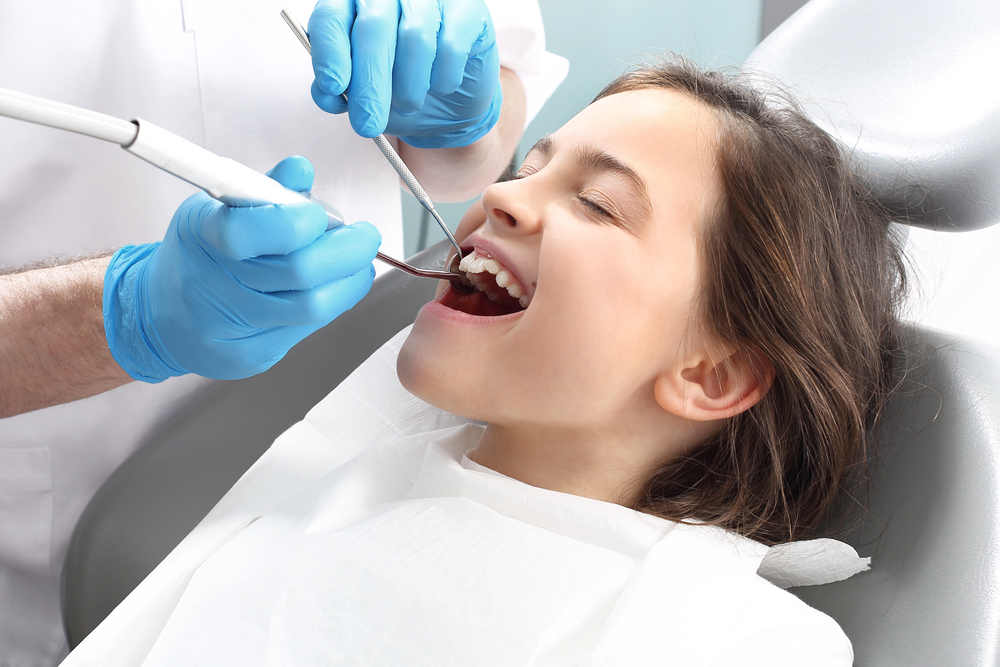
Before any crown, we confirm the extent of the damage through a dental exam and cavity detection so we're recommending the right treatment, not the biggest one. Local and topical anesthesia keeps the tooth area numb throughout. For children who feel anxious, who have difficulty sitting still, or who need several teeth treated in one visit, we also offer nitrous oxide (laughing gas) and oral sedation, and our practice includes dental anesthesiology among its capabilities. We talk through these options with you in advance so you know exactly what your child's visit will involve. Because we also offer emergency dental appointments, a chipped or broken tooth doesn't have to wait.
Aftercare and What Results Look Like
Your child's mouth may feel numb for a short time after the appointment, so we'll ask you to watch for accidental lip or cheek biting until sensation returns fully. Mild tenderness around the gumline near a new crown is common at first and typically eases. We'll go over specific instructions for your child before you leave, including anything to avoid while the area settles.
Day to day, a crowned tooth is cared for like any other. Regular brushing, flossing around the crown, and consistent dental cleanings protect the gum tissue and the neighboring teeth that are still vulnerable to decay. A few habits that help a crown do its job:
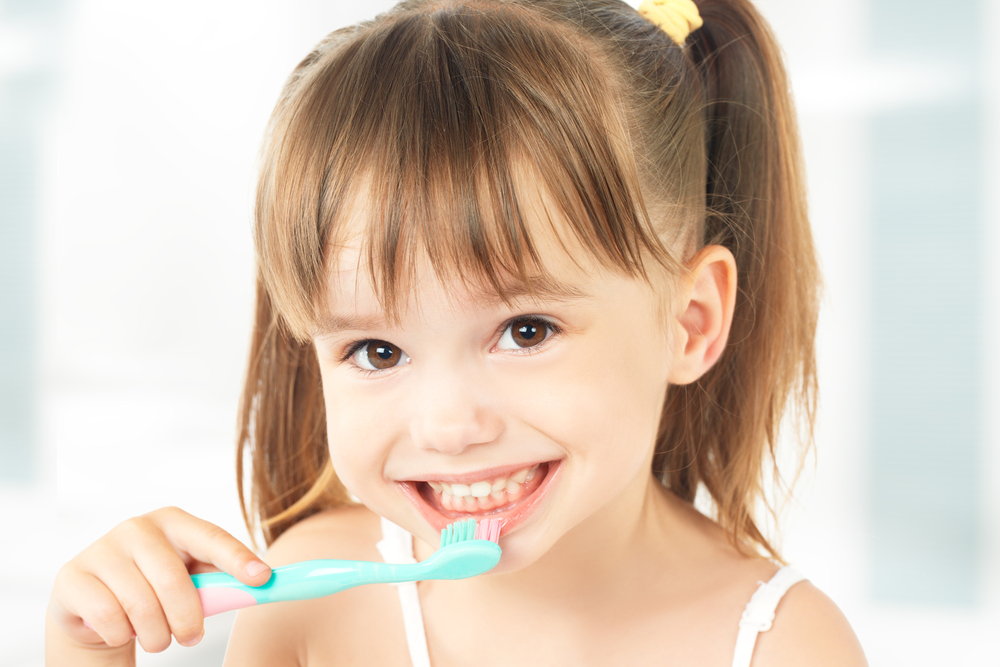
- Brushing twice daily and flossing gently around the crowned tooth
- Limiting sticky candy, chewy taffy, and ice chewing, which stress any restoration
- Keeping routine exams and cleanings so we can check the crown's fit over time
- Wearing a sports mouth guard for athletics to protect crowned and natural teeth alike
- Calling us promptly if the crown feels loose, sharp, or high when biting
Because prevention is the center of how we practice, we use crown visits as a chance to talk with you and your child about what caused the problem in the first place — and to discuss fluoride treatment and dental sealants that can help protect the teeth that are still healthy.
Insurance, Financing, and Getting Started
We accept all major PPO insurance plans, Medicaid, and self-pay patients, and as a pediatric practice we file insurance claims as a specialist. HSA and FSA funds are welcome, and flexible financing plans are available if you'd like to spread the cost out. New patients can get started with our $99 New Patient Special.
Families across Easley, Greenville, and Anderson trust us with their children's smiles, and we'd be glad to take a look at your child's tooth and explain your options clearly. Call us to schedule a visit — we'll make the appointment as comfortable and unhurried as we can.
The process
What to expect
- 1
Exam And Diagnosis
We examine your child's tooth and check for decay or damage to determine whether a crown is the right fix.
- 2
Placing The Crown
We gently prepare the tooth and fit the crown, using comfort and sedation options as needed.
- 3
Follow-Up Care
We show your family how to care for the crown and keep an eye on it at future checkups.