
Services
Root Canal Therapy
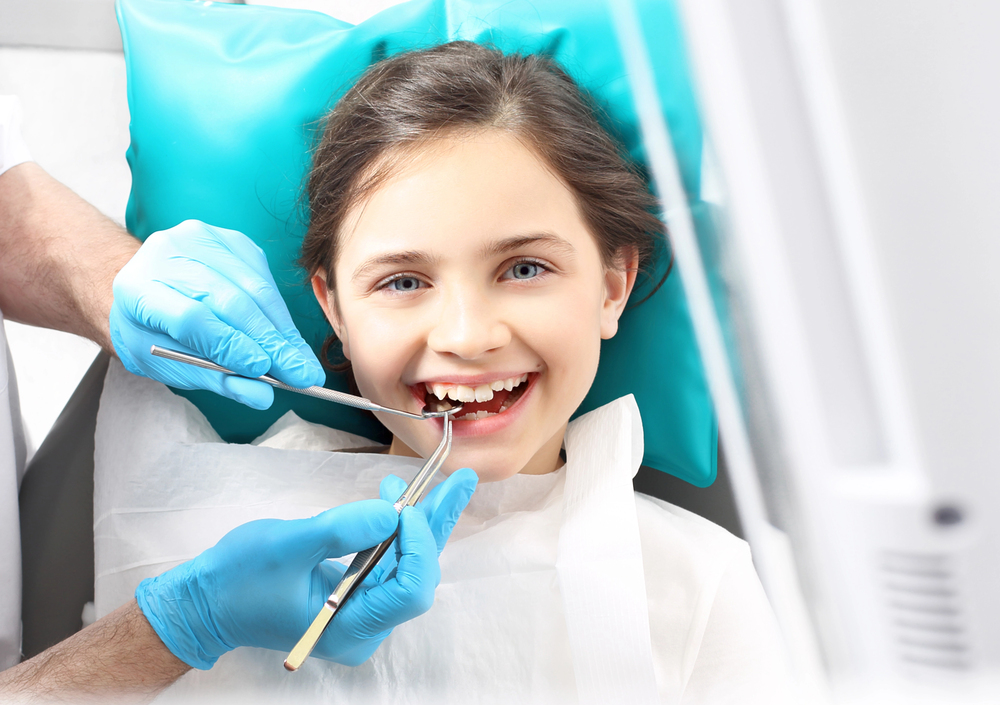
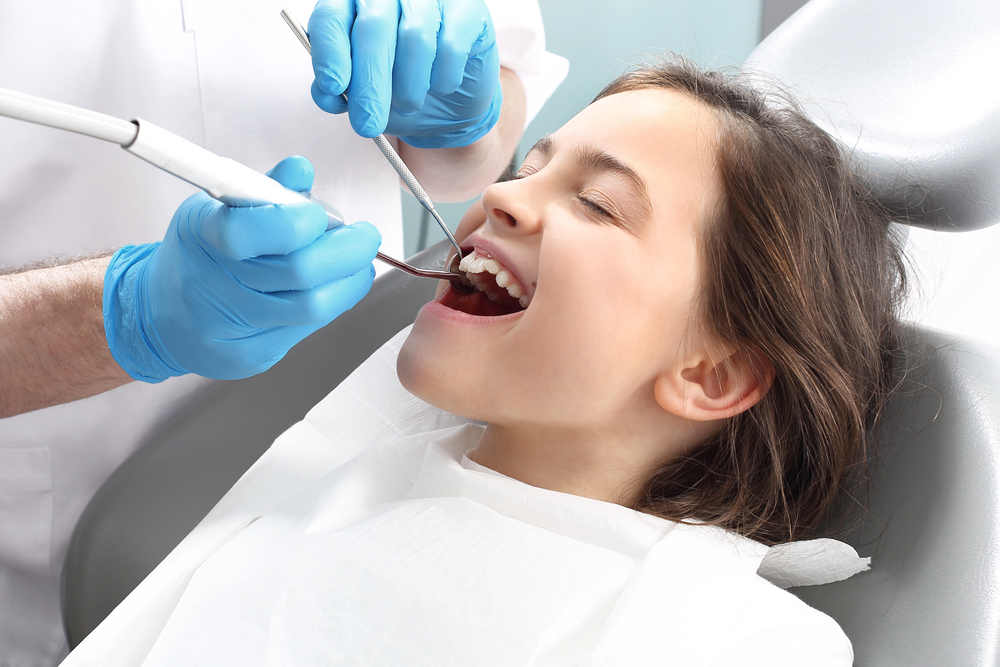
We treat deep decay in your child's molars with gentle root canal therapy, saving the tooth comfortably.
Why choose us
Benefits of Root Canal Therapy
Saves The Molar
Our molar root canal therapy treats deep decay or injury so your child can keep their natural back tooth.
Ends Tooth Pain
Removing infected tissue inside the molar relieves the ache that keeps kids up at night.
Comfort Options Available
Nitrous oxide, oral sedation, and local anesthesia help anxious children stay relaxed through treatment.
Kid-Only Care Team
We treat children exclusively, including kids with special healthcare needs, and parents are welcome in the treatment room.
Flexible Ways To Pay
We accept major PPO plans, Medicaid, self-pay, HSA/FSA, and offer flexible financing.
A deep cavity or a hard fall on the playground can reach the inside of a tooth, where the nerve and blood supply live. When that happens, a child may wake up at night with throbbing pain, wince at cold drinks, or suddenly refuse to chew on one side. Root canal therapy treats the problem at its source — clearing infection from inside the tooth so your child can keep that tooth, chew comfortably, and get back to being a kid. In our Easley and Greenville offices, we perform molar root canal therapy for children, adolescents, and teens, and we do it in a setting built entirely around young patients.
Every tooth has a hollow chamber holding soft tissue called pulp. Decay that goes untreated, a crack, or trauma from a sports collision can let bacteria reach that pulp. Once it's inflamed or infected, the discomfort usually doesn't resolve on its own, and the infection can spread to the surrounding bone or the developing permanent tooth underneath. Root canal therapy removes the damaged pulp, cleans and disinfects the inner canals, and seals the space so bacteria can't return.
We specifically offer the Molar option — treatment of the back teeth, which have multiple roots and more complex canal anatomy than front teeth. Molars matter enormously in a growing mouth. They do most of the chewing, they hold space so neighboring teeth don't drift, and in younger children they guide permanent teeth into position. Losing a molar early can set off a chain of alignment problems that are harder and costlier to correct later, which is why saving the tooth is almost always our first goal.
Children arrive for root canal therapy from very different paths. Some come in through our emergency dental appointments with sudden, severe pain or facial swelling. Others are found during a routine dental exam or cavity detection visit, when decay turns out to be deeper than it looked. Teens sometimes need care after a sports injury cracks a molar — the same kind of injury a custom sports mouth guard is designed to prevent. And some children with special healthcare needs, whom we're glad to treat, need restorative care after a period when daily brushing has been difficult.
What families should know before treatment is that comfort comes first. We are a dental anesthesiology provider, and we offer local and topical anesthesia, nitrous oxide (laughing gas), and oral sedation for children who are anxious or who need help sitting comfortably through a longer appointment. Parents are welcome in the treatment room, and we take time to explain what's happening in words a child can actually understand. Because a molar that has had its pulp removed becomes more brittle, we often recommend a crown afterward to protect the tooth from fracture and restore full chewing strength. If a tooth turns out to be too damaged to save, our board-certified oral surgeon on staff can discuss a simple extraction or oral surgery, and we partner with Coastal Family Oral Surgery & Sedation and Ashby Park Family Orthodontics when specialty follow-up is needed.
Aftercare and What Results Look Like
Most children feel noticeably better once the source of infection is gone. For the first day, lips and cheeks may stay numb, so we ask parents to watch for lip or cheek biting and to keep meals soft and cool. Mild tenderness around the tooth for a few days is normal, and we'll give you specific guidance on comfort measures and when to call us.
- Stick to soft foods and avoid chewing on the treated side until we say it's ready
- Keep brushing and flossing gently around the tooth, twice a day
- Call our office if pain increases, swelling appears, or a temporary restoration comes loose
- Keep the follow-up visit so we can place or check the crown
- Stay on schedule with cleanings, fluoride treatment, and sealants to protect the remaining teeth
Long term, a treated and properly restored molar can keep doing its job — chewing, spacing, and holding its place in the arch. Prevention remains the best outcome of all, and our hygienist and team spend real time on brushing technique, diet, and sealants so the next deep cavity never starts.
Insurance, Financing, and Getting Started
We accept all major PPO insurance plans, Medicaid, and self-pay patients, and we file pediatric claims as a specialist. HSA and FSA funds are welcome, and flexible financing plans are available so treatment timing isn't dictated by a single month's budget. New families can start with our $99 New Patient Special.
If your child is in pain or you've been told a molar needs attention, call our Easley or Greenville office. We see families from across Greenville, Easley, and Anderson, and we'd be glad to take a look, explain your options clearly, and help your child feel comfortable again.
The process
What to expect
- 1
Exam And Diagnosis
We examine the molar and use cavity detection to confirm whether root canal therapy is needed.
- 2
Molar Root Canal
We clean out the infected tissue, seal the molar, and often protect it with a crown.
- 3
Healing And Follow-Up
We share simple home care instructions and check the tooth at future visits, with emergency appointments available if anything comes up.