
Root Canal Therapy in Anderson
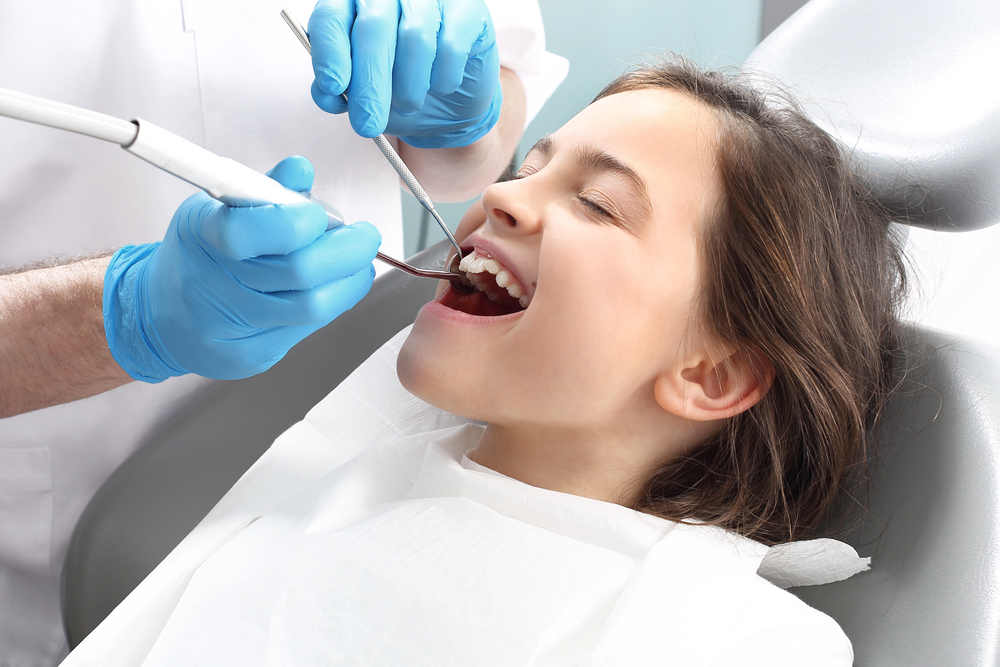
A deep cavity or an injured back tooth doesn't always mean that tooth has to come out. When decay or trauma reaches the inner pulp of a molar, root canal therapy can remove the infection, calm the pain, and keep the natural tooth in place while your child's mouth continues to grow. For families in Anderson, SC, that matters more than it might seem — molars hold space for permanent teeth, guide chewing, and help kids eat and speak comfortably through some of the busiest years of their development. We treat children, adolescents, and teens exclusively, from the first tooth around age one through young adulthood, and root canal therapy (Molar) is one of the ways we work to save teeth rather than lose them.
Root canal therapy treats the soft tissue inside a tooth — the pulp — which contains nerves and blood vessels. When bacteria from a large cavity reach that tissue, or when a fall or sports injury cracks a molar, the pulp becomes inflamed or infected. Left alone, that infection can cause throbbing pain, swelling, sensitivity to hot and cold, and eventually an abscess. A root canal removes the damaged pulp, cleans and disinfects the inside of the tooth, seals the space, and restores the tooth so it can go back to work.
Because we focus specifically on the Molar option, we're addressing the teeth that take the most pressure and are most often affected by deep decay. Molars are harder to brush, sit farthest back in the mouth, and have more complex root anatomy than front teeth. They're also the teeth children rely on most for chewing. Saving a molar avoids the chain reaction that can follow early tooth loss — shifting neighboring teeth, crowding, and problems with the permanent tooth trying to erupt into that space later on.
Your child may be a candidate if there's persistent toothache, pain when biting down, lingering sensitivity, swelling of the gum near a back tooth, or a molar that was cracked in an accident. Sometimes there's no pain at all, and deep decay is found during a routine dental exam or through cavity detection. Other times, families reach us through an emergency dental appointment because a child woke up hurting and couldn't get through the school day.
Not every tooth is a candidate. If a molar is too badly broken down or the infection has progressed too far, a simple extraction may be the better choice, and we'll explain why plainly rather than pushing treatment that won't hold. We also care for children with special healthcare needs and take extra time to assess comfort, cooperation, and the best sequence of care for each child. Parents are welcome in the treatment room, so you can hear the reasoning firsthand and ask questions as we go.
What Treatment and Recovery Look Like
Treatment begins with an exam and images to confirm what's happening inside the tooth. We then numb the area with local and topical anesthesia. For children who feel nervous, we offer nitrous oxide (laughing gas) and oral sedation, and we have a dental anesthesiologist capability on staff specifically for patients with dental anxiety. Once your child is comfortable, we open the tooth, remove the infected pulp, clean and shape the canals, and seal them. Most molars are then restored with a crown to protect the tooth from cracking under chewing forces.
- A clear explanation of the diagnosis before anything begins
- Local and topical anesthesia, with nitrous oxide or oral sedation available
- Removal and disinfection of the infected pulp, then sealing of the canals
- A crown or other restoration to protect the treated molar
- Written aftercare instructions and a plan for follow-up
Aftercare is usually straightforward. Mild tenderness for a few days is normal, and we'll advise on soft foods, gentle brushing around the area, and when your child can return to sports or a normal diet. Our dental hygienist will reinforce home care at cleanings, and fluoride treatment and dental sealants can help protect the remaining molars from a repeat of the same problem.
Insurance, Financing, and Getting to Us from Anderson
Anderson families travel to our Easley and Greenville offices, and we try to make the visit worth the drive by consolidating care. We work alongside Ashby Park Family Orthodontics and Coastal Family Oral Surgery & Sedation, and we have a board-certified pediatric dentist, a general dentist, and a board-certified oral surgeon on staff — so if a tooth turns out to need surgical care instead, you're not starting over somewhere new. No referral is needed for oral surgery.
We accept all major PPO insurance plans, Medicaid, and self-pay patients, and we file as a specialist for pediatric care. Flexible financing plans are available, HSA and FSA funds are accepted, and new patients can start with our $99 New Patient Special. If your child in Anderson is in pain now, call and ask about an emergency appointment.