
Crowns in Anderson
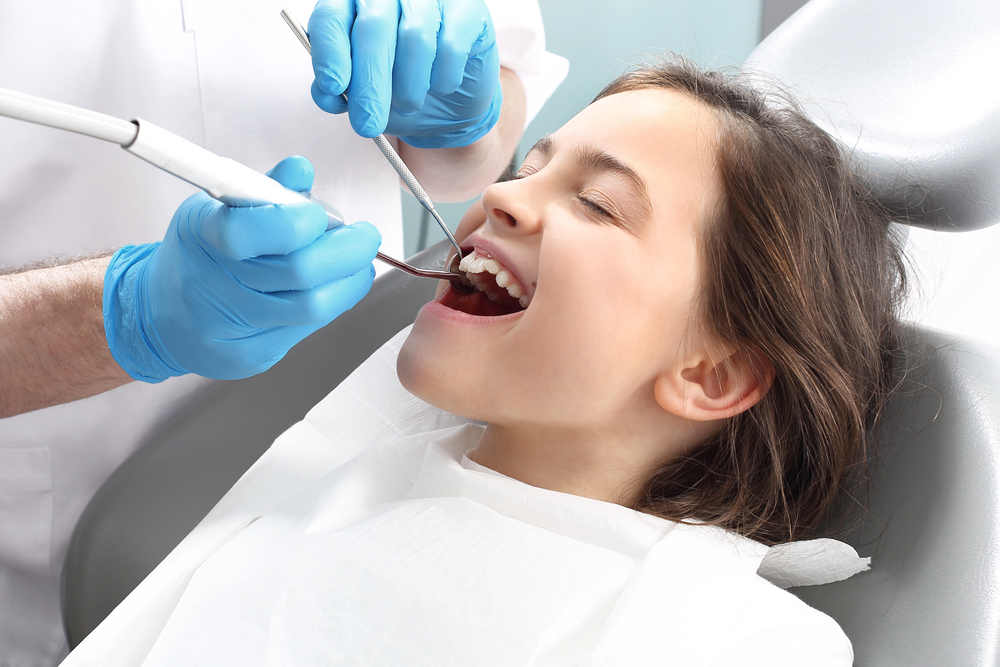
When a child's tooth has more damage than a filling can hold, a crown is often the most practical answer. A crown covers the whole visible part of the tooth, protecting what's left and letting your child chew, speak, and smile normally while that tooth does its job. For Anderson families, that usually means one focused visit instead of repeated repairs on a tooth that keeps breaking down. We care for children, adolescents, and teens exclusively, and crowns are a routine part of how we keep young teeth functional until they're ready to be replaced naturally or by adult teeth.
A dental crown is a custom-fitted cap placed over a tooth that has lost too much structure to be restored with a standard filling. Instead of rebuilding one surface, a crown wraps the tooth and holds it together. We use crowns most often after a large cavity, after a tooth has fractured, or following root canal therapy on a molar, since a treated tooth needs full coverage to stand up to years of chewing.
Baby teeth matter more than many parents expect. They hold space for permanent teeth, guide speech development, and make normal eating possible. Losing a back baby tooth early can shift the teeth around it and complicate things later. A crown on a primary molar keeps that tooth in place and doing its work. For older children and teens with permanent teeth, a crown protects an investment that has to last decades.
Most children who need a crown fall into a few clear situations: decay that has reached deep into the tooth, a tooth that cracked during sports or a fall, a tooth that has already had a filling fail more than once, or a molar that has had root canal therapy. During a dental exam, we use cavity detection to see how far decay has spread and whether a filling or composite bonding will hold. If the remaining tooth structure is too thin, we'll tell you plainly that a crown is the better option and explain why.
Children with special healthcare needs are welcome here, and so are children who find dental visits hard. Our office is set up so parents can stay in the treatment room, which helps more than almost anything else. For children who need extra support, we offer nitrous oxide (laughing gas), oral sedation, and local and topical anesthesia, including anesthesia for patients with dental anxiety. A board-certified pediatric dentist is on staff, and we also have a board-certified oral surgeon for cases that need surgical care.
What the Crown Appointment Looks Like
We start by numbing the tooth and surrounding area with topical and local anesthetic, adding nitrous oxide or oral sedation when that's the right fit for your child. Next we remove the decayed or damaged portion of the tooth and shape what remains so the crown will seat properly. The crown is then fitted, adjusted so the bite feels natural, and secured in place. Your child leaves with a working tooth the same day.
Here's what Anderson families can generally expect around the visit:
- A clear explanation of why a crown is recommended before anything begins
- Numbing and, if needed, nitrous oxide or oral sedation for comfort
- Removal of decay and shaping of the tooth
- Fitting and adjusting the crown so the bite feels right
- Aftercare instructions you can follow at home that evening
Afterward, it's normal for the gum around the tooth to feel tender for a day or two. We ask parents to stick with softer foods that first day, avoid sticky candy and chewing ice, and keep brushing gently around the crown. Flossing matters — the edge where the crown meets the gum still collects plaque. We'll check the crown at every routine dental cleaning and exam, along with fluoride treatment and sealants on the remaining teeth to help prevent the next problem.
Emergencies, Insurance, and Getting Started
Broken teeth rarely happen at a convenient time. We offer emergency dental appointments, so if your child chips or fractures a tooth, call us rather than waiting for a routine opening. Quick attention often determines whether a tooth can be crowned or needs extraction.
On the financial side, we accept all major PPO insurance plans, Medicaid, and self-pay patients, and we file pediatric claims as a specialist. We accept HSA and FSA funds and offer flexible financing plans so a needed crown doesn't have to be postponed. New patients can start with our $99 New Patient Special.
Our offices are located in Easley and Greenville, and we regularly see Anderson families at both. We also partner with Ashby Park Family Orthodontics and Coastal Family Oral Surgery & Sedation when specialty care is part of the plan. Call us to schedule an evaluation and we'll tell you honestly whether a crown is the right step.