Greenville
100 Regent Park Ct, Greenville, SC 29607
Hours
- Mon8 AM–4:30 PM
- Tue8 AM–4:30 PM
- Wed8 AM–4:30 PM
- Thu8 AM–4:30 PM
- Fri8 AM–4:30 PM
- SatClosed
- SunClosed
Treatment & Repair
We restore damaged or decayed baby and permanent teeth with crowns, helping kids chew, smile, and grow comfortably.
Why choose us
A crown covers and protects a tooth that's too decayed or broken for a simple filling.
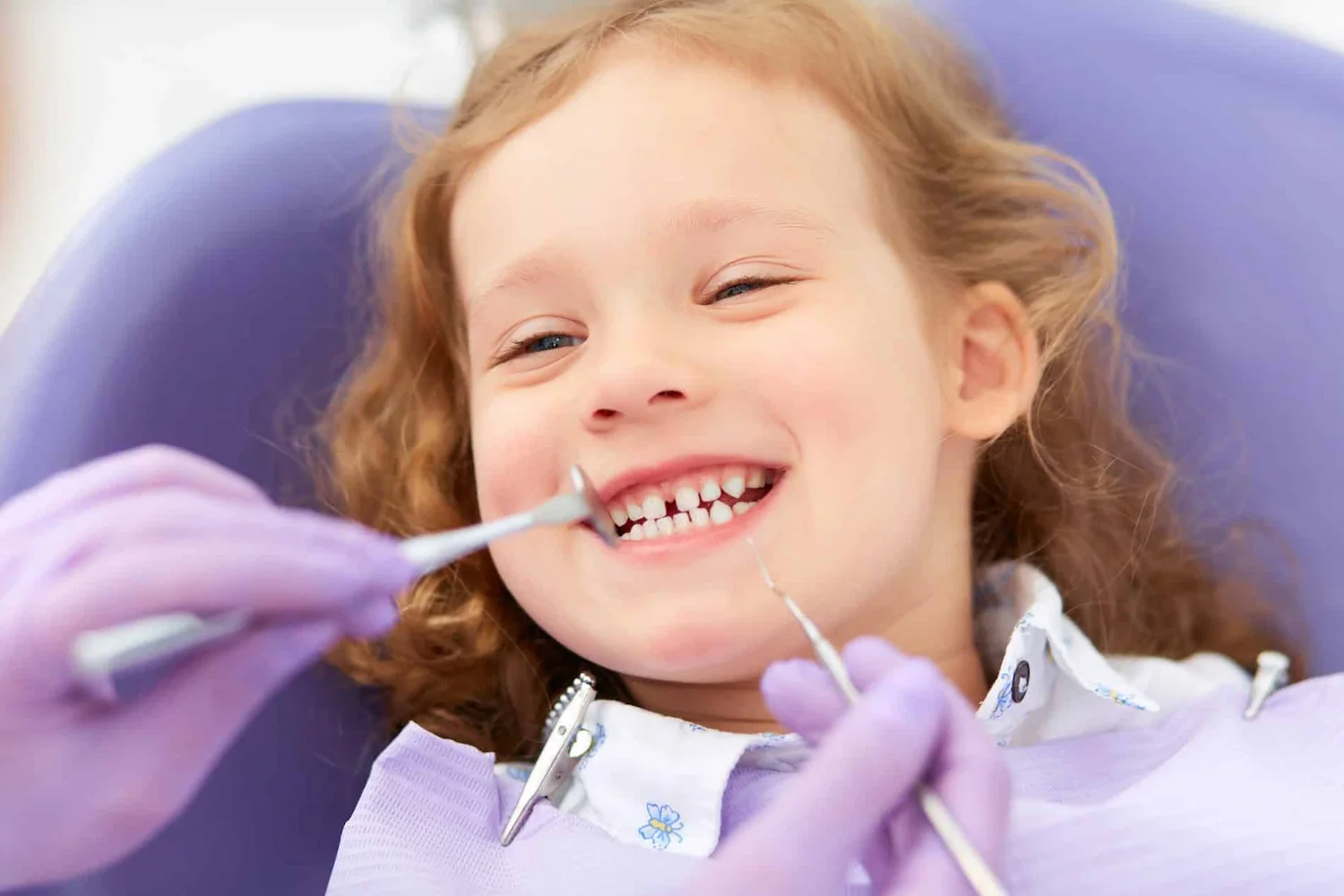
We work exclusively with infants, children, adolescents, and teens, so every crown is sized and shaped for growing smiles.
Nitrous oxide, oral sedation, and local anesthesia help anxious kids stay relaxed through treatment.
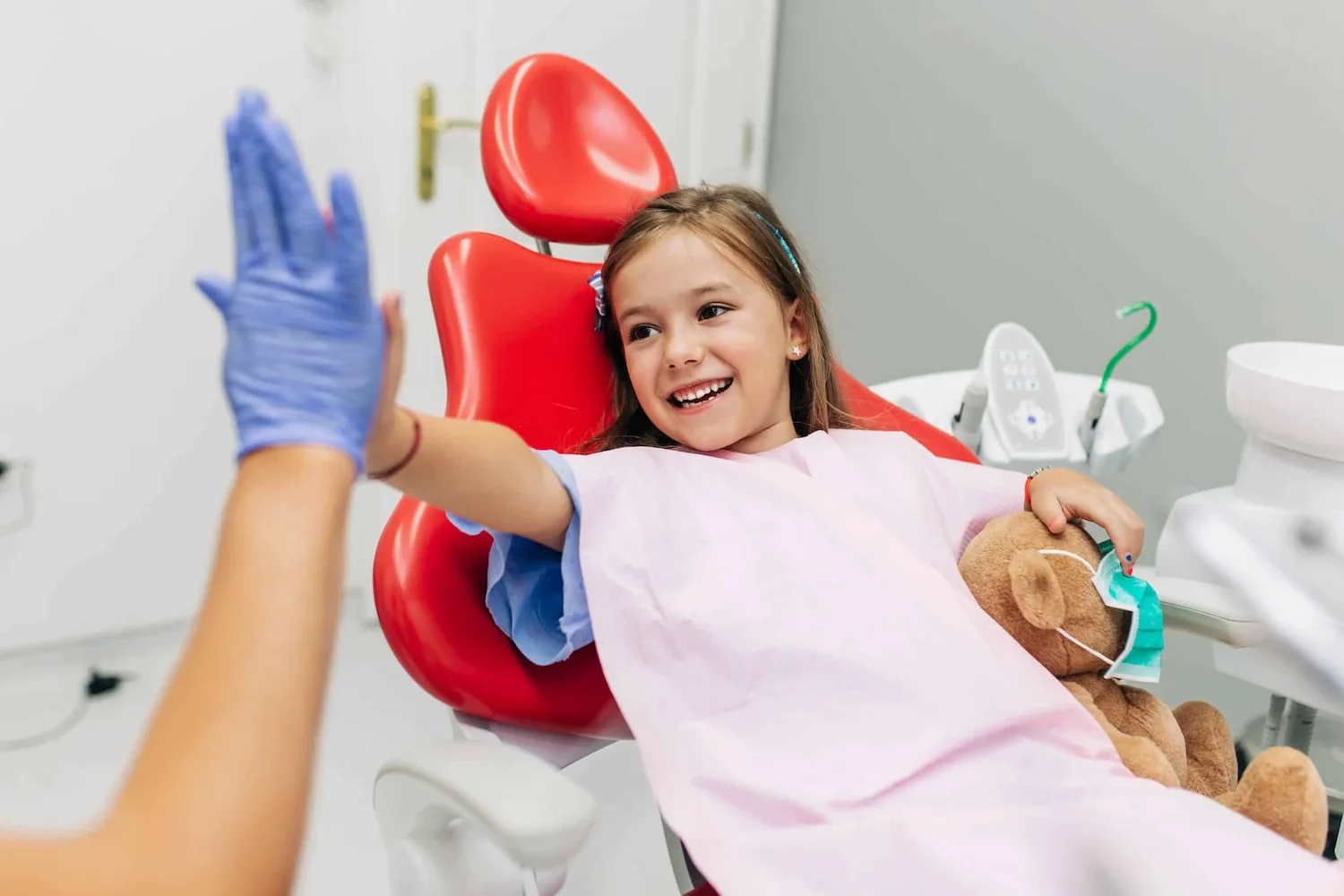
You're welcome in the treatment room with your child from start to finish.
We accept most dental insurance plans, Medicaid, HSA/FSA, and self-pay, with flexible financing available.
If your child has a large cavity, a tooth that cracked during a fall, or a back molar that needed nerve treatment, you may be wondering whether a filling will be enough. Sometimes it isn't, and that is when a dental crown can help. Our team at Ashby Park Pediatric Dentistry places crowns for children, adolescents, and teens in Easley and Greenville, SC. Families also come to us from Anderson. Below, we explain when a crown makes sense, what your child will experience, and how to care for the tooth afterward.
A crown is a protective covering that fits over the entire visible part of a tooth. A filling repairs a small area. A crown wraps around the whole tooth, which holds it together and protects it from chewing forces. We recommend a crown when a tooth has lost too much of its natural structure for a filling to stay strong and reliable.
Many parents are surprised that we would crown a baby tooth that will eventually fall out. Primary teeth hold space for the permanent teeth developing underneath. They also help children chew comfortably and speak clearly. Some back baby teeth stay in place until the preteen years. Saving a damaged primary tooth with a crown can be the better choice than losing it early.
Crowns help young patients in several different situations. These are some of the most common reasons families see us for one:
Our practice treats children with special healthcare needs. A crown can sometimes be a practical, durable option for a child whose daily brushing is more difficult. We talk through each situation with parents so you understand why we are recommending a crown rather than another approach.
Yes. Keeping your child comfortable is central to how we deliver care. We use local and topical anesthesia to numb the area so your child doesn't feel the work being done. For children who feel nervous, we also offer nitrous oxide (laughing gas) and oral sedation. These help many kids relax and stay calm.
Parents are welcome to be part of regular exams. If your child needs more involved treatment, we’ll talk with you about the best approach and whether remaining in the treatment room is appropriate. Our dentists, Dr. Alina Martinez, Dr. Rohit Kartan, and Dr. Victoria Rice, explain each step in kid-friendly terms. We see only children and teens, so our office is set up around their needs and their pace.
Care for a crown much like a natural tooth: brush twice a day, floss around it, and keep up regular checkups. A crown covers the tooth itself, but the gumline around it still needs daily cleaning to stay healthy. Younger children usually need a parent's help brushing thoroughly, especially around back molars.
After treatment, your child's mouth may stay numb for a little while. Watch closely so they don't bite their cheek, lip, or tongue. Sticky, chewy candies are best limited, since they can be hard on any dental work. At routine exams and cleanings, our dental hygienist and dentists check the crown and the teeth around it. If your child plays sports, ask us about a custom sports mouth guard to help protect crowns and natural teeth.
We work to keep care within reach for families through several payment options. We accept most dental insurance plans, and we also accept Medicaid. Because our practice focuses exclusively on pediatric dentistry, we file insurance claims as a specialist. Our team can help you understand what your plan may cover before treatment begins.
Self-pay families are welcome, too. We offer flexible financing plans and accept HSA and FSA funds, which can help spread out costs or use pre-tax savings. If your family is new to our office, ask about our $99 New Patient Special, which is a simple way to get started with us.
If your child has a damaged, decayed, or sensitive tooth, the best next step is an exam so we can see what's going on. We'll walk you through the options, answer your questions, and help you decide on a plan that fits your child. Contact our Easley or Greenville office today to book an appointment. We look forward to caring for your child's smile.
The process
We examine the tooth, talk with you about why a crown may help, and answer your questions.
We numb the area, prepare the tooth, and fit the crown, with sedation options if your child needs them.
We share simple home-care tips and check the crown at your child's regular visits.
Questions
A crown may be recommended when a tooth has decay or damage that is too large for a filling to repair well. Our dentists examine the tooth and talk with you about what we see, so you understand why a crown might be the right choice for your child. We'll also explain any other options, such as a filling, that may fit the situation.
We use local and topical anesthesia to numb the area, so most children feel pressure rather than pain during treatment. For kids who feel nervous, we also offer nitrous oxide (laughing gas) and oral sedation to help them stay calm and comfortable. Parents are welcome to be part of regular exams. If your child needs more involved treatment, we’ll talk with you about the best approach and whether remaining in the treatment room is appropriate.
The time needed depends on the tooth and your child's individual needs, and our team will walk you through what to expect before the visit begins. Afterward, your child may feel some numbness for a little while, and we'll share simple care instructions to follow at home. If you have any concerns once you're home, our team is here to help.
We accept most dental insurance plans as well as Medicaid, and coverage for crowns depends on your specific plan. We also welcome self-pay families and offer flexible financing plans, and we accept HSA and FSA payments. Our office can help you review your options before treatment.
How long a crown lasts depends on several factors, including the tooth involved and your child's daily habits. Brushing, flossing, and keeping up with regular dental exams and cleanings all help protect the crown and the teeth around it. We'll check the crown at your child's routine visits and let you know if anything needs attention.
Visit us
100 Regent Park Ct, Greenville, SC 29607
708 N A St, Easley, SC 29640