Greenville
100 Regent Park Ct, Greenville, SC 29607
Hours
- Mon8 AM–4:30 PM
- Tue8 AM–4:30 PM
- Wed8 AM–4:30 PM
- Thu8 AM–4:30 PM
- Fri8 AM–4:30 PM
- SatClosed
- SunClosed
Preventive Care
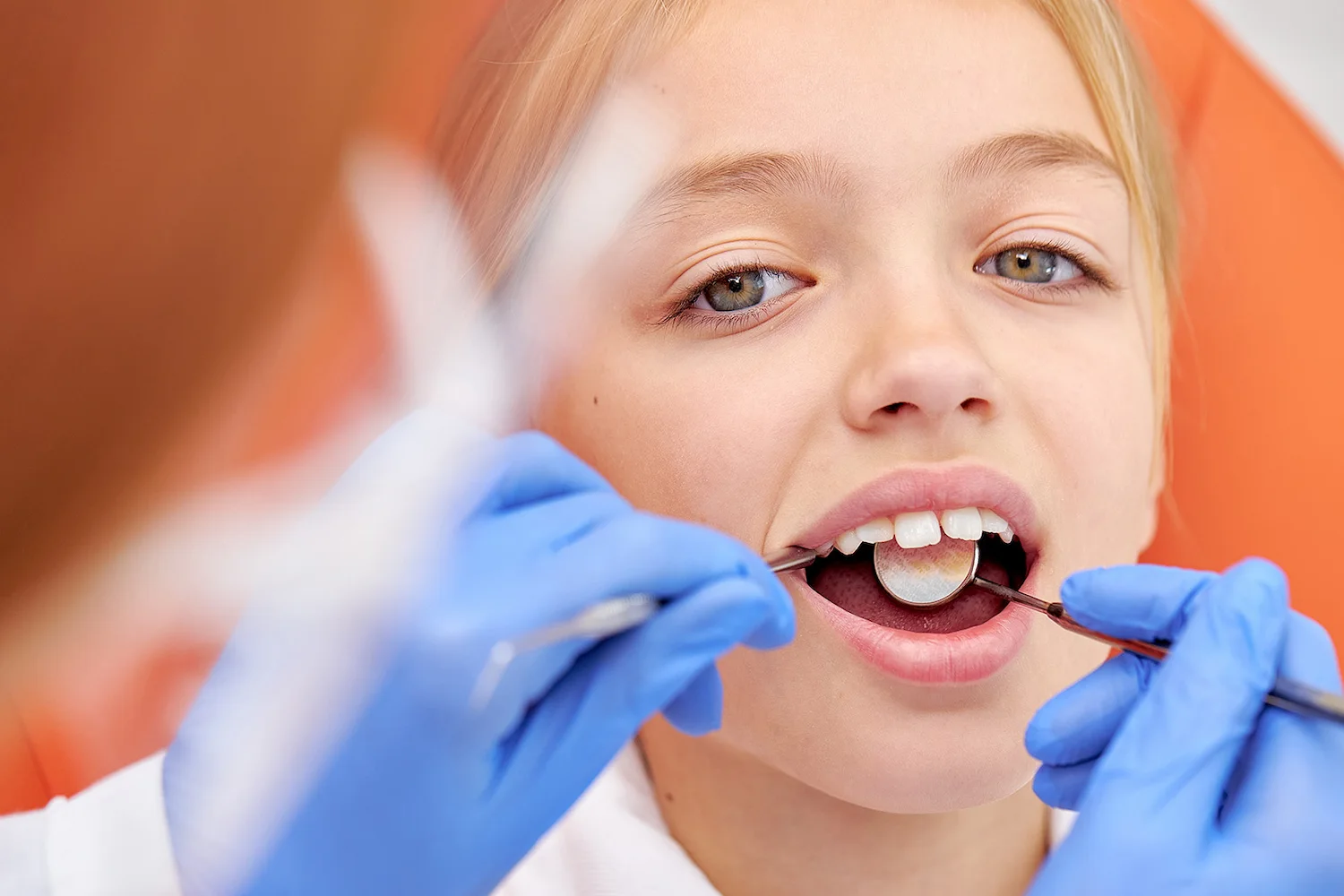
Thin, protective sealants help shield the chewing surfaces of your child's back teeth from cavities, keeping smiles healthier longer.
Why choose us
Sealants shield the deep grooves of back teeth where cavities most often start.
Placing sealants takes just a few minutes and involves no drilling or shots.
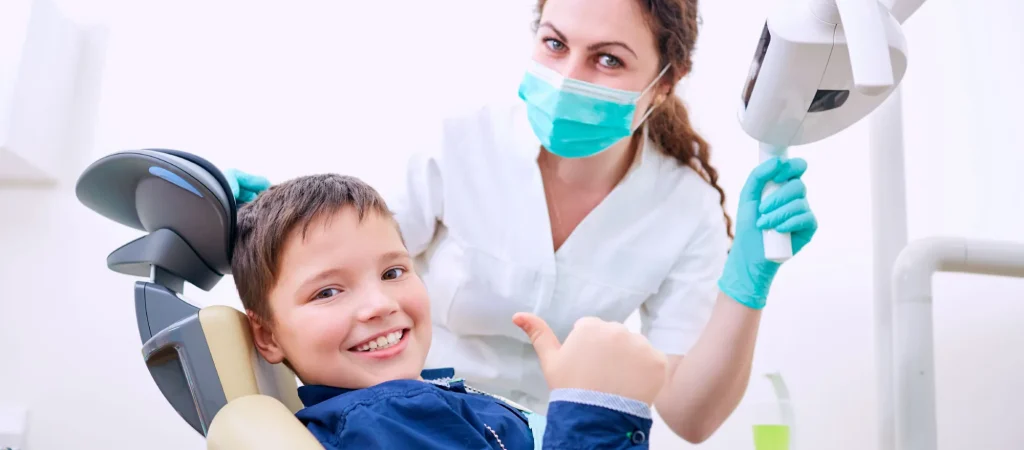
We treat children exclusively, so every visit is paced and explained at your child's level.
You're welcome in the treatment room to sit with your child the whole time.
We accept most dental insurance plans, Medicaid, HSA/FSA, and self-pay, with flexible financing available.
Back teeth do most of the chewing, and they are also where food and plaque settle most easily. Molars have deep grooves and pits on their chewing surfaces, and those narrow spaces can be hard for a toothbrush to reach, especially for a young child still learning to brush. At Ashby Park Pediatric Dentistry, we use dental sealants as one practical way to help protect those surfaces while children are growing.
A dental sealant is a thin protective coating we apply to the chewing surfaces of back teeth. It settles into the grooves and pits and creates a smoother surface that is easier to keep clean. Sealants are a preventive treatment. Their purpose is to help keep food and plaque out of the places where they tend to collect, not to repair a tooth that is already damaged.
Because we care only for children, adolescents, and teens, sealants are a routine part of how we think about prevention. Our team, including Dr. Alina Martinez, Dr. Rohit Kartan, and Dr. Victoria Rice, along with our dental hygienist, looks at each child's teeth during regular visits and talks with parents about whether sealants make sense.
Families usually ask about sealants for one of a few common reasons. These situations come up often in our Easley and Greenville offices:
In each case, a sealant works alongside good habits rather than replacing them. Children still need to brush, floss, and come in for checkups. We often pair sealants with other preventive care we offer, such as fluoride treatment, cleanings, and cavity detection during exams. Together, these give us a fuller picture of each child's oral health.
Many children and teens are good candidates, but we decide tooth by tooth at an exam. We look at which teeth have come in, how deep the grooves are, and whether there are any signs of decay that would call for a different treatment, such as a filling.
If a tooth already has a cavity, a sealant alone is not the right answer. In that case we will explain the options, which may include a dental filling or composite bonding. We also take a child's comfort into account. Parents are welcome in the treatment room, and for children who feel anxious about dental visits, we offer nitrous oxide (laughing gas) along with other comfort options. We also treat children with special healthcare needs, and we adjust our approach to fit each child.
Caring for sealants is mostly about keeping up normal daily habits. Your child should keep brushing twice a day, flossing, and limiting sticky or sugary snacks that can cling to teeth. Sealants protect only the chewing surfaces, so the sides of the teeth and the spaces between them still need regular cleaning.
How long a sealant lasts varies from child to child. Chewing habits, grinding, and everyday wear all play a role. That is one reason routine checkups matter. At each visit, we check the condition of existing sealants and let you know if one needs attention. Bring any concerns to your child's next appointment, or call us if something seems off between visits.
We accept most dental insurance plans, and we also accept Medicaid. Because sealants are a preventive service, many families find they fit naturally into their child's regular care. Our team can help you understand what your plan covers before treatment.
For families without insurance, we welcome self-pay patients. We also offer flexible financing plans and accept HSA and FSA funds. New families can take advantage of our $99 New Patient Special, which is a simple way to get started with us.
The easiest first step is to schedule an exam, where we can look at your child's teeth and talk through whether sealants are a good fit. Families come to us from Greenville, Easley, Anderson, and the surrounding communities, and we see children from their first tooth through the teen years.
We focus on prevention and education, so we take time to answer questions and show children how to care for their teeth at home. If your child has new back teeth coming in, or you simply want to know where things stand, we would be glad to see you. Contact our office to book a visit, and our team will help you find a time that works for your family.
The process
We check your child's teeth, look for early signs of cavities, and clean the surfaces that will be sealed.
We brush the sealant onto the chewing surfaces of the back teeth and let it harden into a protective layer.
At regular visits, we check that the sealants are still in place and keep your child's smile on track.
Questions
We accept most dental insurance plans, as well as Medicaid, so many families have help with the cost of sealants. Coverage varies from plan to plan, so we're happy to file your claim and help you understand your benefits before treatment. We also welcome self-pay families and offer flexible financing plans, and we accept HSA/FSA.
Ashby Park will replace your child's sealant at no charge if it need sreapplication within three years.
No, getting sealants is typically a comfortable, gentle visit for children. The process involves cleaning the chewing surfaces of the back teeth and painting on a protective coating. Parents are welcome in the treatment room, and for kids who feel nervous at the dentist, we offer options like nitrous oxide (laughing gas).
Placing sealants is usually a quick visit. The exact time depends on how many teeth are being sealed and how comfortable your child feels, and our team moves at a pace that works for them. We'll let you know what to expect when we recommend sealants for your child.
Sealants are often a good fit for children and teens, especially once their back teeth come in, because the deep grooves on those chewing surfaces can trap food and plaque. Our dentists, Dr. Alina Martinez, Dr. Rohit Kartan, and Dr. Victoria Rice, will look at your child's teeth during a dental exam and talk with you about whether sealants make sense. We see children from their first tooth through young adulthood, including kids with special healthcare needs.
How long sealants last varies from child to child, so we check them at regular visits and let you know if one needs attention. Ashby Park will replace your child's sealant at no charge if it needs reapplication within three years. Sealants work alongside other preventive care, not in place of it. Fluoride treatments, professional cleanings, cavity detection, and good brushing and flossing habits at home all help protect your child's smile, and we'll help you build a prevention plan that fits your family.
Visit us
100 Regent Park Ct, Greenville, SC 29607
708 N A St, Easley, SC 29640