Greenville
100 Regent Park Ct, Greenville, SC 29607
Hours
- Mon8 AM–4:30 PM
- Tue8 AM–4:30 PM
- Wed8 AM–4:30 PM
- Thu8 AM–4:30 PM
- Fri8 AM–4:30 PM
- SatClosed
- SunClosed
Preventive Care
We catch cavities early during your child's dental exam, so small problems get simple treatment before they grow.
Why choose us
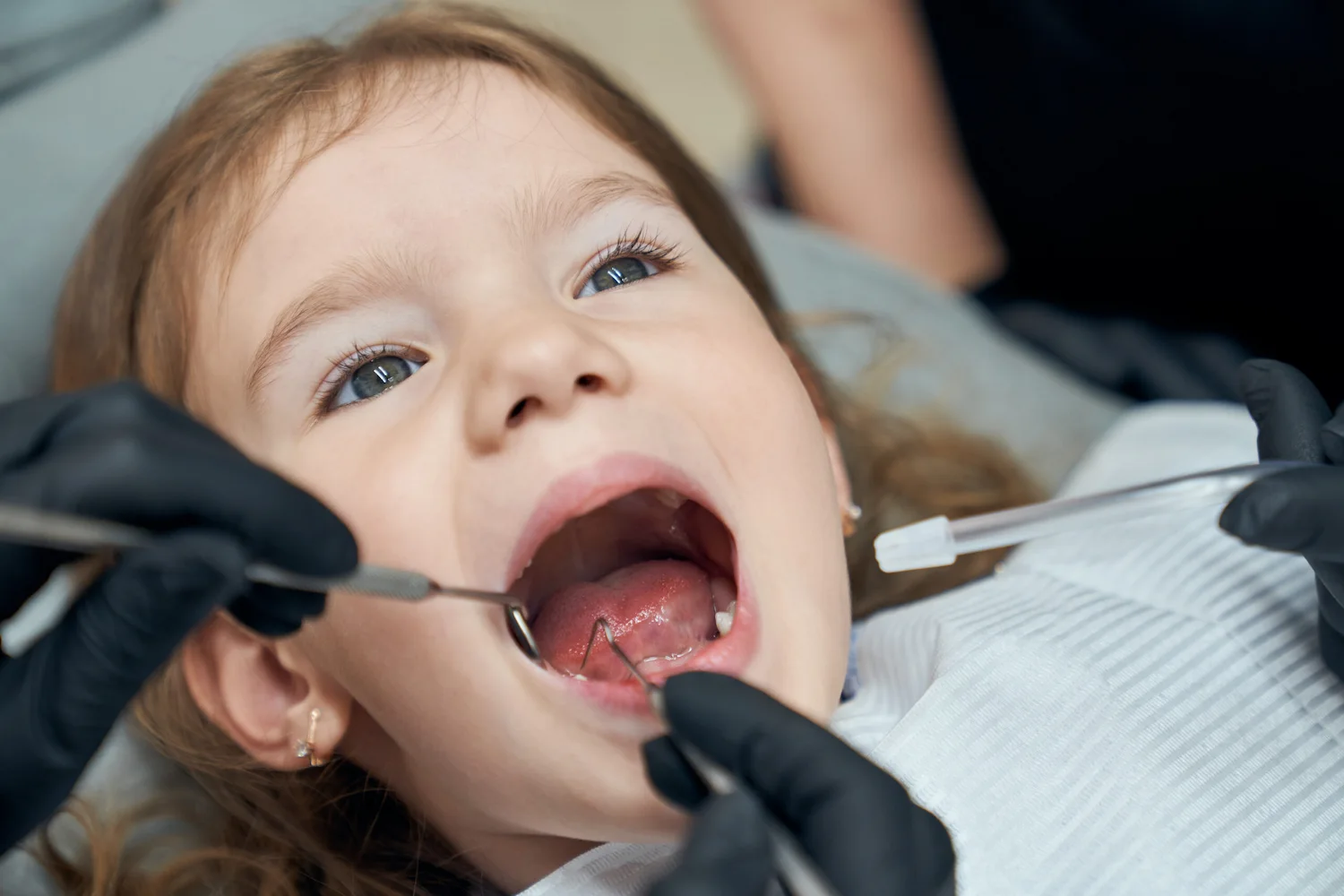
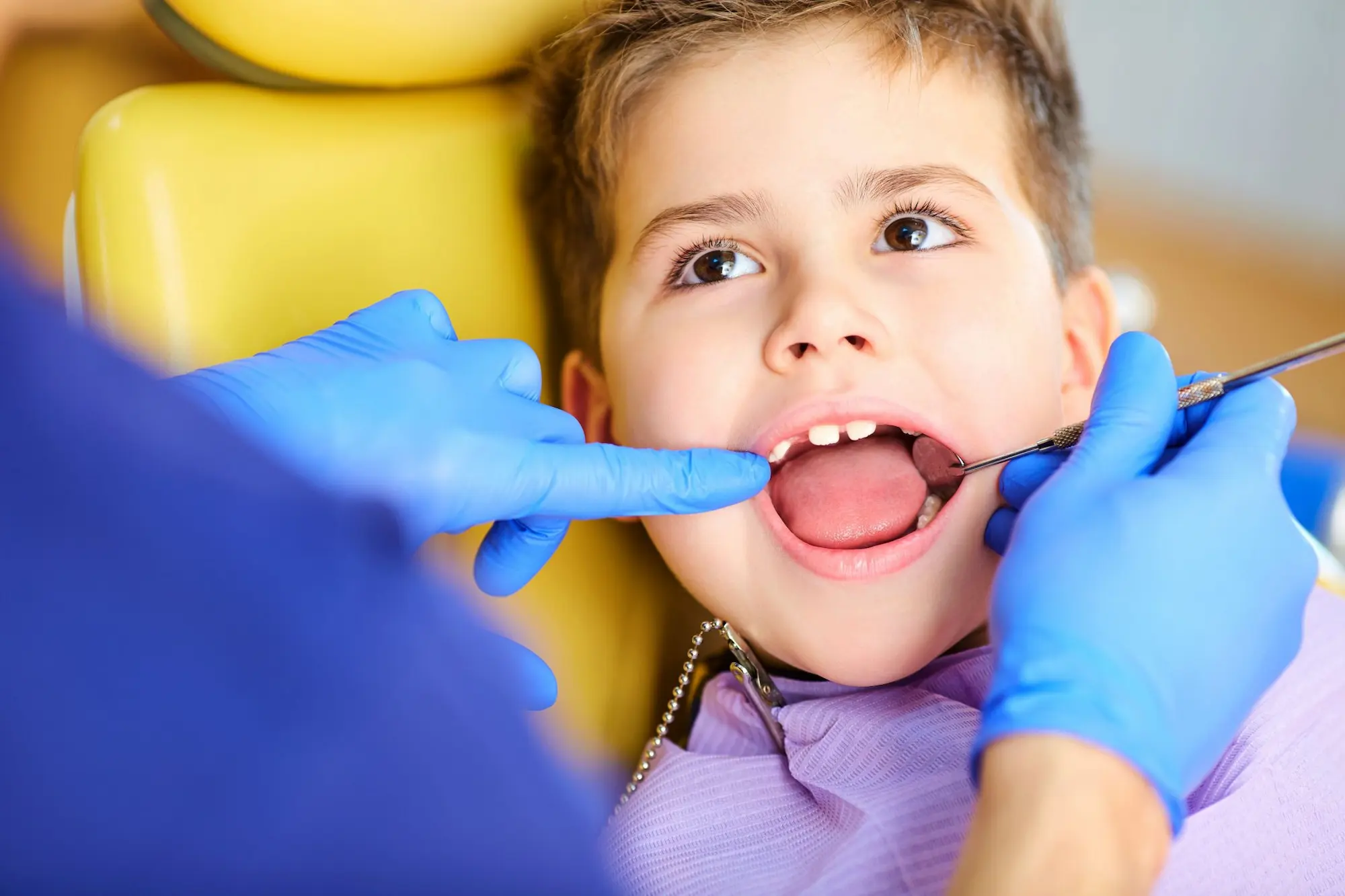
We look for decay while it's still small, so treatment stays simple for your child.
Our team works exclusively with infants, children, adolescents, and teens, so every visit is paced for young patients.
You're welcome in the treatment room with your child throughout the exam.
Nitrous oxide, oral sedation, and local anesthesia are available for children who feel anxious.
We accept most dental insurance plans, Medicaid, self-pay, and HSA/FSA, and offer flexible financing plus a $99 new patient special.
Maybe your child flinched while biting into something cold, or you spotted a small brown mark on a back tooth and weren't sure whether it mattered. Many parents in Greenville, Easley, and Anderson bring their kids to us with exactly that kind of question. Tooth decay often starts quietly, long before it causes pain. That's why careful cavity detection is part of how we care for every child, from the first tooth through the teen years.
Cavity detection is the process of looking closely for early signs of tooth decay so it can be addressed while it is still small. At Ashby Park Pediatric Dentistry, it happens as part of your child's regular dental exam and cleaning. Our dentists, Dr. Alina Martinez, Dr. Rohit Kartan, and Dr. Victoria Rice, check each tooth surface, the spaces between teeth, and the deep grooves on chewing surfaces where food and bacteria tend to collect. Our dental hygienist also keeps an eye out during cleanings and lets the dentist know about anything that needs a closer look.
Because our practice cares exclusively for children, adolescents, and teens, we see how decay shows up at every stage. A toddler with a sippy-cup habit, a grade-schooler with brand-new permanent molars, and a teenager in a busy season of sports and snacks each face different risks. Children with special healthcare needs can be especially vulnerable to decay, and we welcome them and take the time each child needs. Finding a problem early usually means simpler care and a more comfortable visit.
Cavities don't always hurt, so kids may not complain until decay has gone deeper. That's one reason we encourage families to keep regular checkups even when everything seems fine. At home, it helps to watch for a few common signs and mention them at your child's next visit:
If your child has sudden pain or swelling, don't wait for a routine appointment. We offer emergency dental appointments, so call our office and we'll help you figure out the next step.
If we find a cavity, we'll explain what we see, talk through the options, and answer your questions before any treatment begins. Small areas of decay are often treated with a dental filling, and we also offer composite bonding. When decay is more extensive, a crown may be the better choice, and for deeper problems, we provide root canal therapy.
We know that the word "cavity" can make a child nervous. Parents are welcome in the treatment room, and we use local and topical anesthesia to keep kids comfortable. For children with dental anxiety, we offer nitrous oxide (laughing gas) and oral sedation. We'll help you decide what fits your child's needs and comfort level.
Prevention is at the heart of everything we do, so every cavity check doubles as a chance to protect your child's smile going forward. Depending on your child's needs, we may recommend dental sealants, which cover the grooves of back teeth where decay often starts, along with fluoride treatment to help strengthen enamel. Regular cleanings remove buildup that brushing can miss.
Education matters just as much. We'll share practical tips for brushing, flossing, and snack and drink habits that fit your child's age, whether you're brushing for a baby or reminding a teen with a busy schedule. After a filling or other treatment, we'll explain how to care for the tooth at home and when to come back. Keeping up with routine visits gives us the best chance to catch any new trouble early.
We accept most dental insurance plans, and we also accept Medicaid and self-pay patients. Our team is happy to help you understand your coverage before your child's visit so there are fewer surprises.
For care that isn't fully covered, we offer flexible financing plans, and we accept HSA and FSA payments. New families can also take advantage of our $99 New Patient Special. Ask our front office team for details when you call, and we'll walk you through what applies to your family.
If it's been a while since your child's last checkup, or if something about their teeth has you wondering, we'd love to see you. Call our Easley or Greenville office to schedule a visit. We'll take a careful look, answer your questions, and help your child feel at ease.
The process
Our team checks each tooth carefully during your child's dental exam and cleaning.
We explain what we found and walk you through options like fillings, sealants, or fluoride.
We share simple brushing and eating tips to help keep new cavities from forming.
Questions
No, checking for cavities is a gentle part of your child's dental exam and usually feels like a normal checkup. Parents are welcome in the treatment room, so your child can have a familiar face nearby. If your child feels nervous about dental visits, we offer comfort options such as nitrous oxide (laughing gas).
Cavity detection is part of a dental exam, and we accept most dental insurance plans as well as Medicaid. We also welcome self-pay families, accept HSA/FSA, and offer flexible financing plans. Our team is happy to help you understand your options before your child's visit.
Cavity detection happens during your child's regular dental exam, so it doesn't require a separate appointment. We look closely at each tooth and talk with you about anything we find. Our dental hygienist may also complete a cleaning during the same visit.
If we find a cavity, we explain what we see and talk with you about the next steps for your child. Depending on the tooth, treatment may include a dental filling, composite bonding, or a crown. We also share prevention tips, like sealants and fluoride treatment, to help protect your child's other teeth.
We recommend bringing your child in by their first tooth or first birthday. We see infants, children, adolescents, and teens at our Easley and Greenville offices, including children with special healthcare needs. Starting early helps us spot problems sooner and build healthy habits for life.
Visit us
100 Regent Park Ct, Greenville, SC 29607
708 N A St, Easley, SC 29640